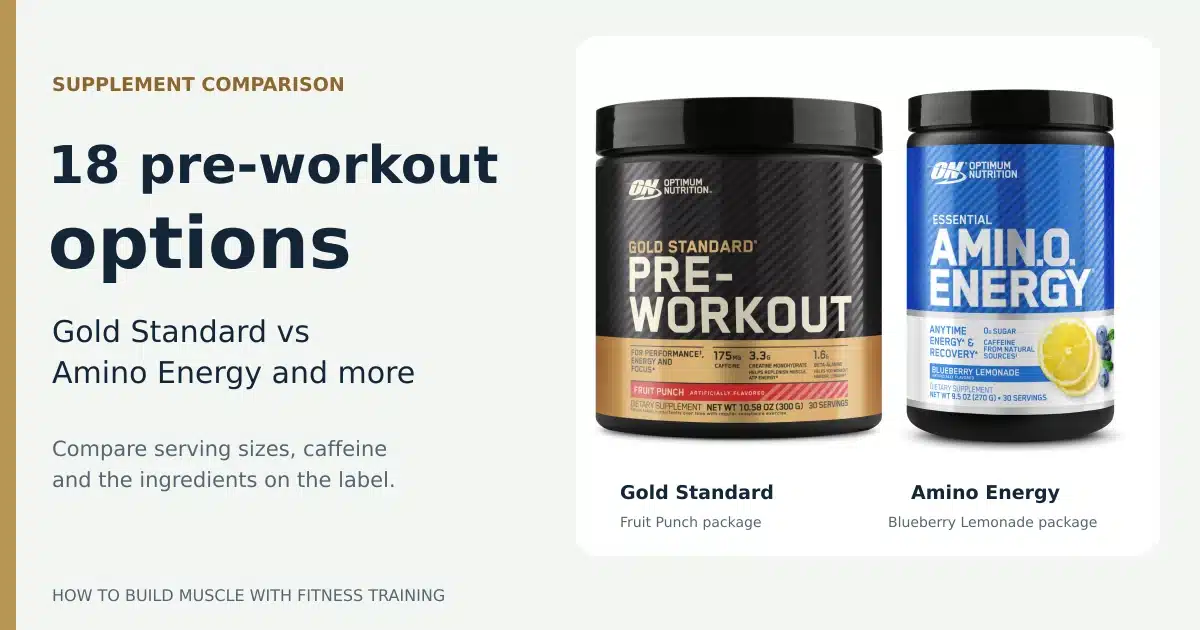
Research disclosure: This comparison is based on published product information, not personal testing. Product photos and label examples are credited to their manufacturers; the flavour and version shown are identified in each caption.
Affiliate disclosure: As an Amazon Associate I earn from qualifying purchases. If you buy through an affiliate link, I may earn a commission at no extra cost to you.
Looking at combinations? Read how to stack pre-workout supplements without overdoing caffeine alongside this product comparison.
Product selection is separate from training: our bodybuilding program guide covers the routine these supplements cannot replace.
If you walk into your gym feeling unprepared and low on energy, you are more likely to benefit from improving your sleep and meal timing before adding a supplement.
This matters because no amount of powder will compensate for five hours of sleep or for skipping meals all day.
Caffeine timing varies by product and person, so follow the label rather than assuming one fixed time to peak effect.
Interestingly, when you take a pre-workout on an empty stomach, you might feel jittery or nauseous. But it's much harder to train consistently without adequate food intake, even with stimulants.
A small meal or snack may suit your routine, but follow the product's directions and your own digestive tolerance. Food does not make an excessive caffeine dose safe.
Regular caffeine use can change how it feels. Do not keep increasing your dose to chase the same sensation.
There is no universal caffeine-cycling schedule proven to reset everyone's exercise response.
To choose the right pre-workout for your schedule and goals, you should understand what each formula actually provides.
Typically, these products combine caffeine with other ingredients such as creatine, beta-alanine, citrulline, or amino acids. This can help with convenience, but compare the cost per labeled serving with the ingredients you actually need.
And it can be more difficult for you to train in the evening because high-stimulant formulas can disrupt sleep. Even lower-caffeine options like Amino Energy can interfere with sleep.
You might also sometimes see aggressive marketing claims about extreme pumps or explosive energy. Just focus on the actual ingredient amounts and how they fit your routine.
Of course, your response to any pre-workout depends on your caffeine tolerance, training time, and overall diet.
18 Pre-Workout Supplements Worth Considering
Here are caffeinated pre-workout formulas, amino drinks, and a standalone-ingredient option. Compare the exact serving sizes, product versions, and labels rather than treating every scoop as equivalent.
Amazon links open product search results unless a specific listing is identified. Match the product name, version, serving size and country before buying. A search result is not proof of availability.
1. Optimum Nutrition Gold Standard Pre-Workout
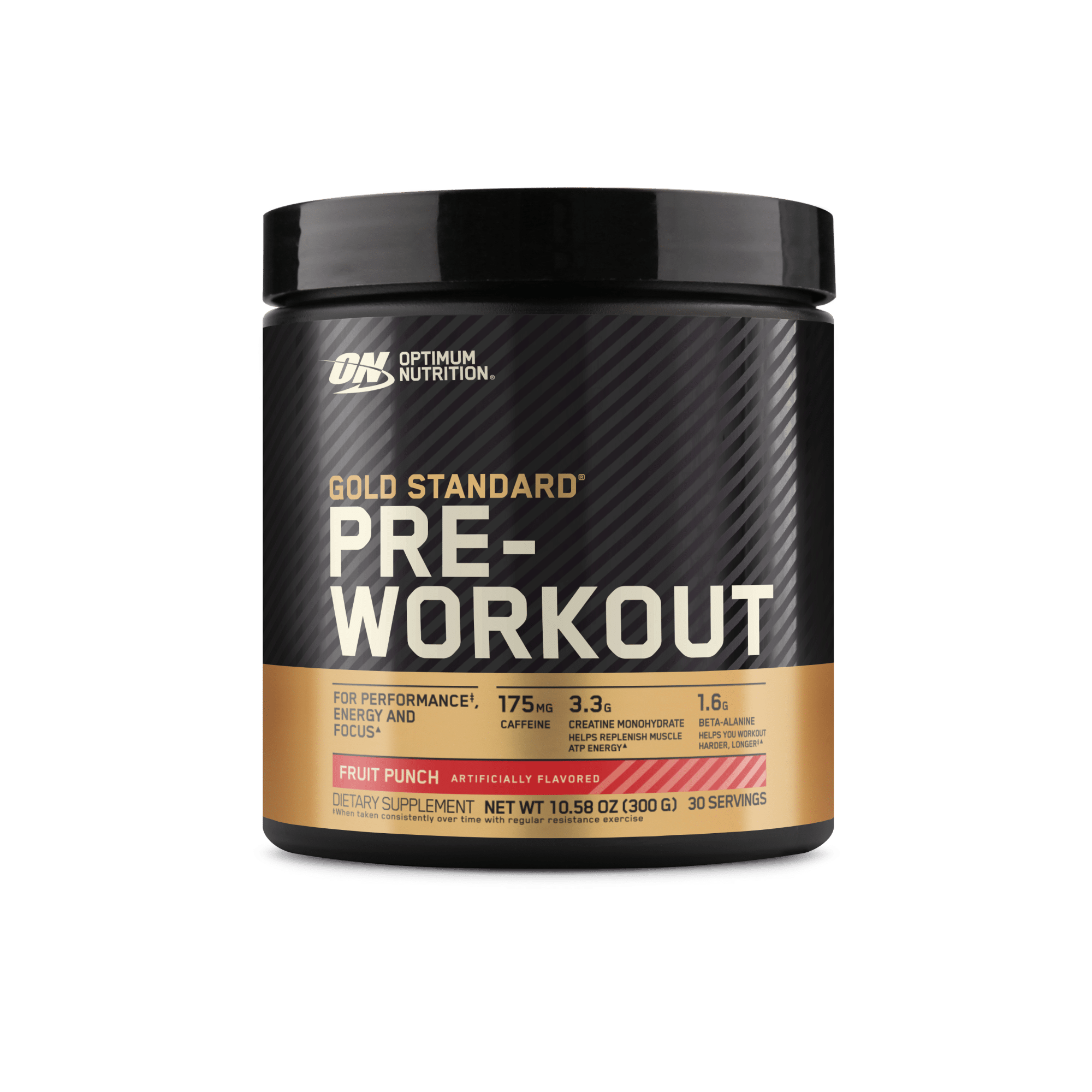
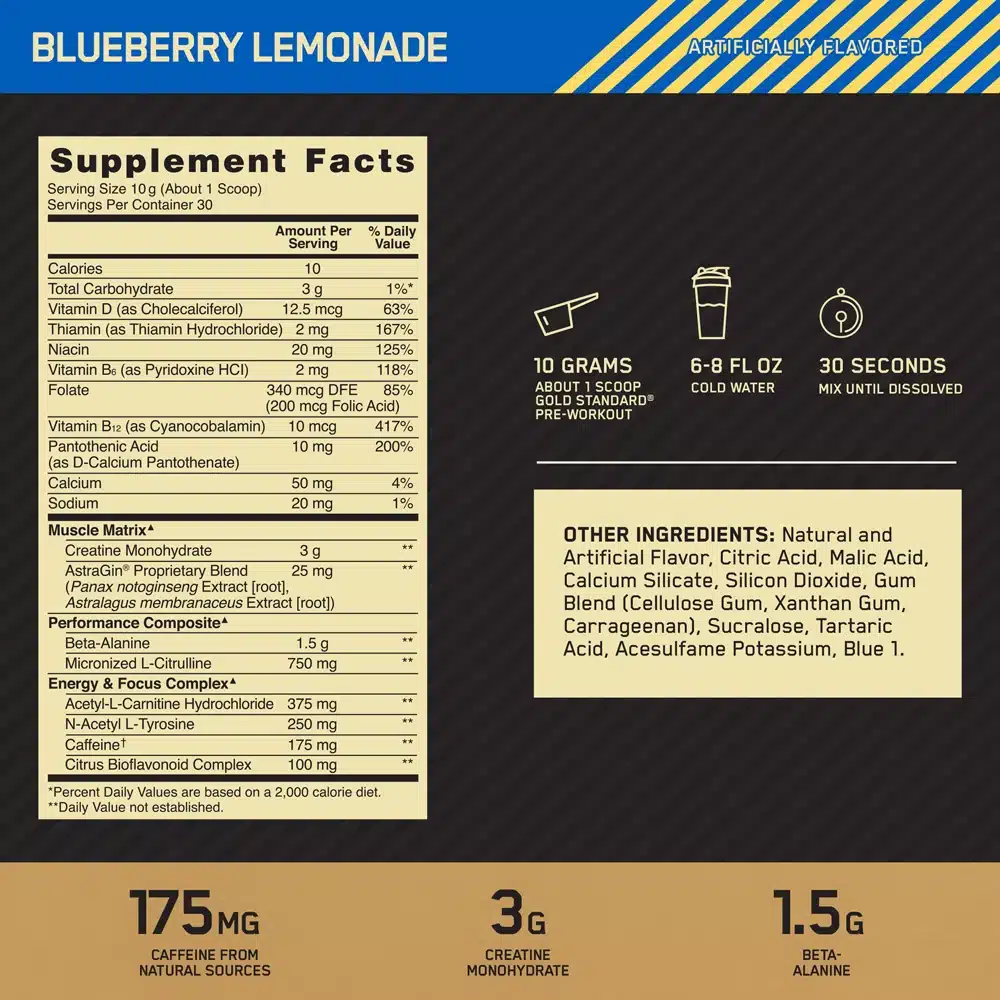
The manufacturer's US product summary lists 175 mg caffeine, 3 grams creatine monohydrate, and 1.6 grams beta-alanine per scoop. Its published images differ: the Blueberry Lemonade Supplement Facts panel below lists 3 grams creatine and 1.5 grams beta-alanine, while the Fruit Punch package photo lists 3.3 grams and 1.6 grams. Both show 175 mg caffeine. Use the Supplement Facts and directions on your exact container rather than treating these versions as interchangeable.
Beta-alanine can cause temporary tingling.
Check matching product options on Amazon
2. Optimum Nutrition Amino Energy
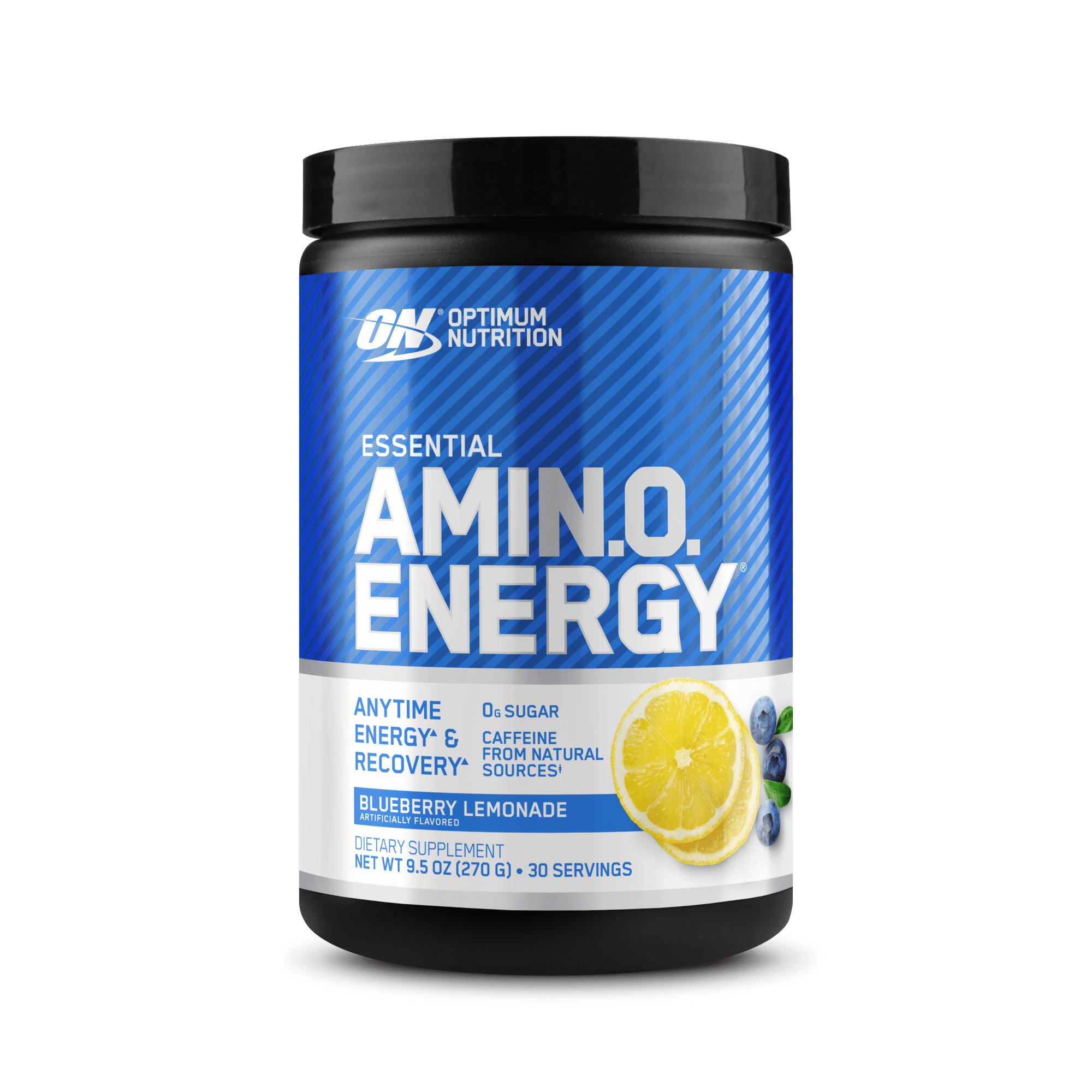
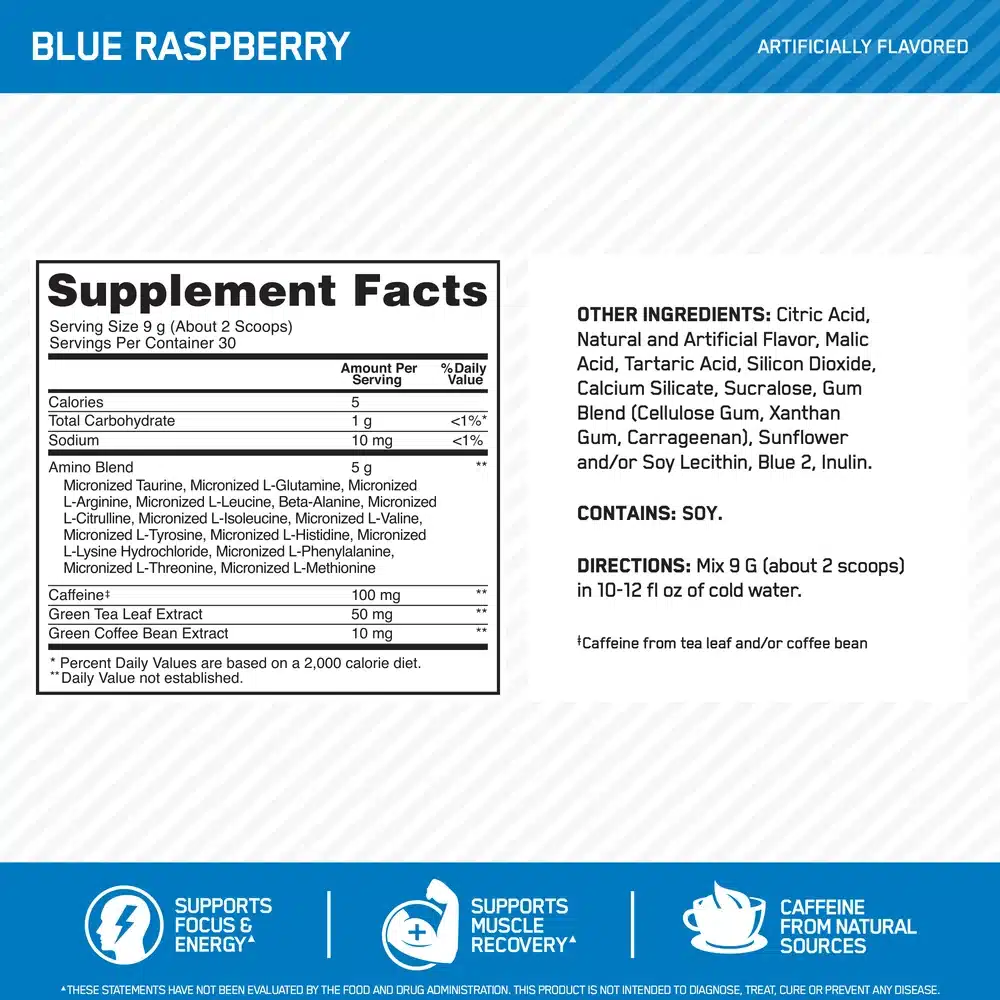
The standard two-scoop serving contains 100 mg caffeine and 5 grams of amino acids, including BCAAs. It has less caffeine than many full pre-workout formulas, but sipping it later in the day still adds caffeine and may affect sleep.
Check matching product options on Amazon
3. Transparent Labs BULK Pre-Workout
A higher-dose formula with 200 mg of caffeine, 8 grams of citrulline malate, 4 grams of beta-alanine, and 2.5 grams of betaine per serving. The serving size is larger, and the ingredient amounts are clearly listed, which appeals to people who want full transparency.
This beta-alanine amount can cause noticeable tingling.
View BULK details and current price
4. Legion Pulse Pre-Workout
The caffeinated version contains 350 mg caffeine per full two-scoop serving, or 175 mg per scoop, making it one of the higher-caffeine options on this list. It includes citrulline malate, beta-alanine, and theanine.
High caffeine tolerance does not guarantee safety. Check the label warnings and your total daily intake.
View Legion Pulse details and current price
5. Jacked Factory Nitrosurge
The documented one-scoop formula contains 180 mg caffeine, 1.6 grams beta-alanine, and 3 grams L-citrulline, not citrulline malate. Two scoops double these amounts, including caffeine to 360 mg. Compare cost using the serving size you will actually use.
It lacks creatine, so you would need a separate supplement if creatine is part of your plan.
Check matching product options on Amazon
6. Kaged Pre-Kaged (Original Formula)
The original Pre-Kaged formula provides 274 mg caffeine, 6.5 grams L-citrulline, 1.6 grams beta-alanine, and 1.5 grams creatine HCl per serving. Do not apply these figures to Pre-Kaged Elite or other Kaged formulas.
It includes several branded ingredients; compare its current price and label with alternatives.
View original Pre-Kaged formula information
7. Cellucor C4 Original
One of the most recognized names in pre-workouts. The current US C4 Original product page lists 200 mg caffeine and 2 grams CarnoSyn beta-alanine per scoop. Older versions have different amounts.
It comes in multiple flavors. Brand familiarity does not establish whether a formula suits a beginner.
Check matching product options on Amazon
8. Ghost Legend V4 Pre-Workout
The US V4 label lists 300 mg caffeine, 6 grams L-citrulline, 3.2 grams beta-alanine, and 2.5 grams betaine per one-scoop serving. It also contains theobromine. Ghost is known for flavor collaborations and transparent labeling.
Check the version and label, since earlier Legend formulas differ.
View Ghost Legend V4 details and current price
9. RSP AminoLean
A lower-caffeine option with 125 mg caffeine and 5 grams of amino acids per standard two-scoop serving. This sits between a traditional pre-workout and an amino acid drink, similar to Amino Energy but with slightly more caffeine.
It still contributes to total stimulant intake, so lower caffeine does not mean suitable for everyone.
Check matching product options on Amazon
10. Gorilla Mode Pre-Workout
A high-caffeine formula whose current manufacturer page lists 400 mg caffeine at the maximum dose. It includes L-citrulline and creatine monohydrate; beta-alanine is not listed in the displayed ingredient breakdown. Check the exact scoop directions and label.
That maximum dose alone reaches the FDA's general daily reference for most adults. Experience or tolerance does not make it a suitable default, especially alongside other caffeine sources.
View Gorilla Mode details and current price
11. Nutricost Pre-Workout Complex
The current Peach Mango label on Nutricost's Pre-Workout Complex page lists 200 mg caffeine, 2 grams beta-alanine, and 4 grams L-citrulline per scoop, with no creatine listed. Nutricost also sells a separate formula with creatine, so confirm which product you are buying.
Check matching product options on Amazon
12. Evlution Nutrition ENGN Pre-Workout
The documented ENGN Ring Candy label provides 300 mg total caffeine, 1.6 grams beta-alanine, 2 grams creatine monohydrate, and 1 gram betaine per scoop. It does not list citrulline. This label discloses individual amounts within its named blend, so check your version instead of assuming every ENGN label is identical.
Use the full Supplement Facts panel for direct comparisons.
Check matching product options on Amazon
13. Naked Energy Pre-Workout
The unflavored Naked Energy formula lists 200 mg caffeine from coffee beans, 1 gram creatine, 2 grams beta-alanine, and 1 gram L-arginine per serving. It has no artificial sweeteners, flavors, or colors. Flavored versions can differ.
The unflavored version mixes into smoothies.
Check matching product options on Amazon
14. Thorne Advanced Pre-Workout
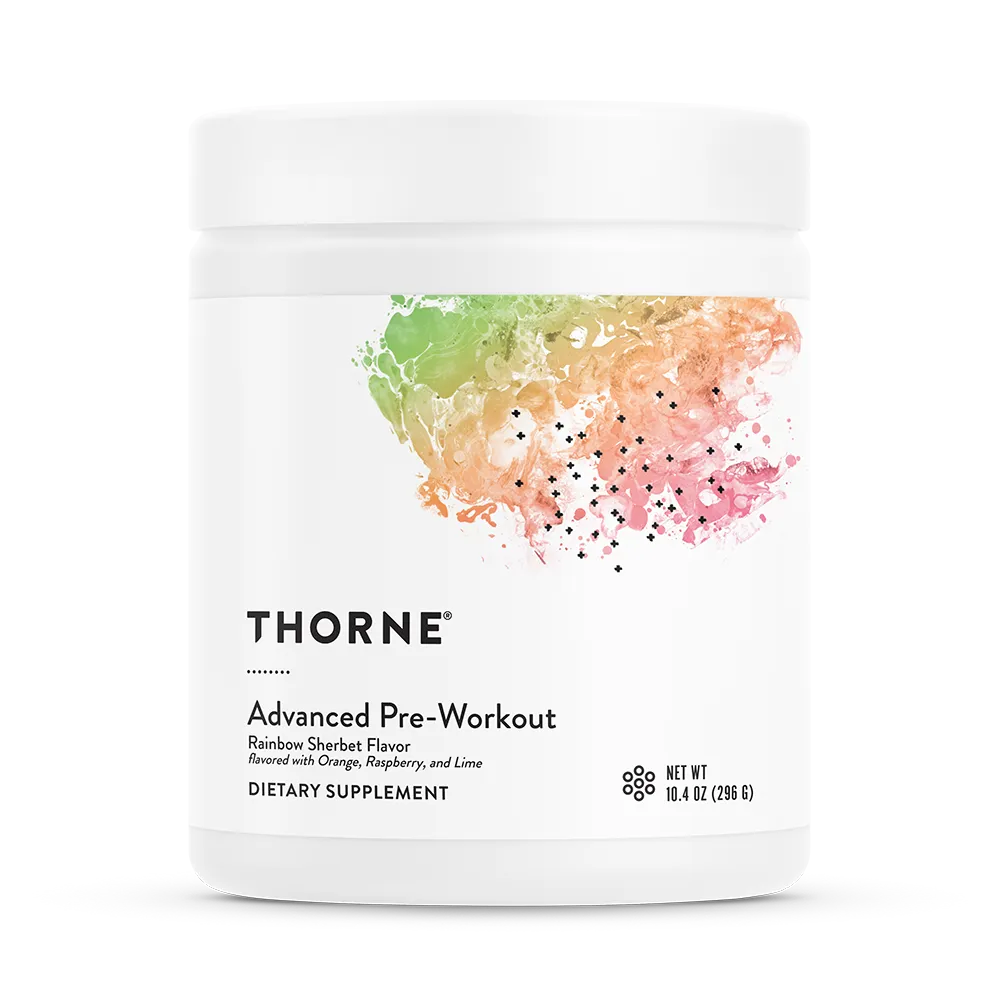
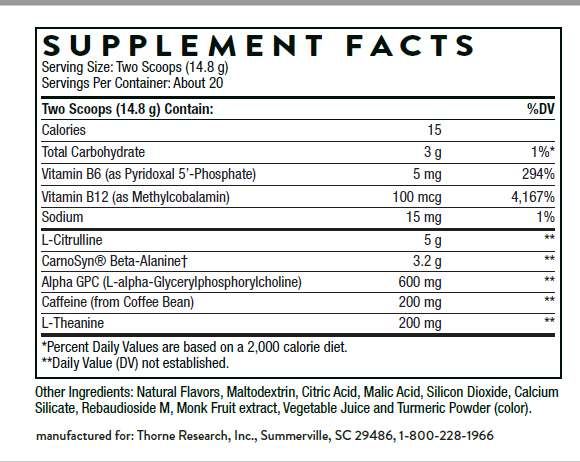
The Rainbow Sherbet formula provides 200 mg caffeine from coffee bean, 5 grams L-citrulline, 3.2 grams beta-alanine, 600 mg alpha-GPC, and 200 mg L-theanine per two-scoop serving. The 296-gram container provides about 20 full servings. It does not list creatine.
This exact product appears in NSF's Certified for Sport directory. Match your product and lot to the current listing. Advanced Pre-Workout is a different formula from the older Pre-Workout Elite; the older product's caffeine figure does not apply.
Check Thorne Advanced Pre-Workout on Amazon
15. JYM Pre JYM
Created by Dr. Jim Stoppani, this pre-workout contains 300 mg of caffeine, 6 grams of citrulline malate, 2 grams of creatine HCl, and 2 grams of beta-alanine. The formula is fully transparent with no proprietary blends.
Compare the price using the full labeled serving.
View Pre JYM details and current price
16. 4 Gauge Pre-Workout
A stimulant-based pre-workout with 150 mg of caffeine, 6 grams of citrulline malate, 1 gram of creatine, and theanine for focus. It comes in a distinctive container holding multiple servings, not individual single-serving shells.
Check the label and serving count rather than judging by the packaging.
View 4 Gauge details and current price
17. BulkSupplements Standalone Ingredients
BulkSupplements sells individual ingredients such as creatine monohydrate and beta-alanine. This is a standalone-ingredient option, not a verified premixed formula with a fixed caffeine dose. Compare each ingredient's label and cost separately.
Using separate ingredients requires careful tracking of amounts already present in other supplements.
View BulkSupplements creatine monohydrate options
18. Xtend Energy BCAA
Technically a BCAA drink rather than a traditional pre-workout. The archived Mango Madness label provides 125 mg caffeine and 7 grams BCAAs per scoop. Current availability was not confirmed, so verify the Energy product name, expiration date, and label before buying.
That label contains no creatine, but it does include 1 gram citrulline malate and electrolytes.
Purchase link omitted while current availability is unconfirmed.
Which Pre-Workout Should You Actually Use?
Gold Standard Pre-Workout combines caffeine and creatine for convenience. Its 175 mg caffeine may still be too much for some people. The 3 grams creatine monohydrate falls within a typical daily maintenance range of 3-5 grams, but taking it only on workout days does not provide daily creatine.
For standalone powders and cost comparisons, see our creatine supplement comparison.
If you prefer less caffeine, a standard serving of Amino Energy gives you 100 mg caffeine and 5 grams of amino acids. For late training, a caffeine-free drink may suit your sleep better.
The gold standard pre-workout vs. Amino Energy decision really comes down to timing and stimulation preference. Gold Standard contains more caffeine per standard serving and includes creatine.
Amino Energy contains less caffeine, but serving count and bedtime still matter.
Legion Pulse and Gorilla Mode have higher-caffeine serving options. Do not choose them simply because you have developed tolerance; review the complete label and total caffeine intake first.
Budget-conscious lifters can compare Jacked Factory Nitrosurge and Nutricost Pre-Workout Complex using current prices and the same serving-size basis.
Athletes subject to drug testing should check the exact product in a recognized sport-certification directory and consult their sports nutrition team. A brand name alone is not proof of certification.
People who want to avoid artificial sweeteners or colors can check the unflavored Naked Energy label. Standalone ingredients are another option, but avoid bulk pure caffeine powder because small measuring errors can be dangerous.
Remember that no pre-workout supplement creates progressive overload for you. You still need to track your training, gradually increase the demand, and eat enough protein and calories to support your goals.
If you choose to use a supplement, judge whether it adds useful convenience to your routine. Do not use them to replace sleep, proper meal planning, or a structured training program.
Follow the exact label's starting instructions; half a serving of a high-caffeine product can still contain a substantial dose. Pay attention to how you feel during training, later in the day, and when you try to sleep.
Stop the product if it causes symptoms and seek appropriate medical advice. Severe symptoms or an irregular heartbeat need urgent attention.
Periodically assess whether the supplement is useful. A caffeine break is optional, not a proven reset on a fixed schedule; reduce gradually if withdrawal symptoms are a concern.
Frequently Asked Questions
What is the main difference between Gold Standard Pre-Workout and Amino Energy?
The manufacturer's US Gold Standard summary lists 175 mg caffeine and 3 grams creatine monohydrate per scoop; its package and label images show some ingredient variation, as explained above. A standard two-scoop Amino Energy serving contains 100 mg caffeine and 5 grams amino acids. Neither is caffeine-free, and both can affect sleep.
Can you build muscle without pre-workout supplements?
Yes. Muscle growth depends on progressive resistance training, adequate protein intake, enough total calories, and consistent recovery.
Pre-workout supplements add convenience and may help you feel more prepared for training, but they do not replace the fundamental requirements for muscle gain.
How much caffeine is too much in a pre-workout?
The FDA cites 400 mg daily as an amount not generally associated with negative effects for most adults. This is not a target or a guarantee of safety. If your pre-workout contains 300 mg and you drink coffee during the day, you may exceed that general daily reference.
People sensitive to caffeine, those who train late, or anyone with certain health conditions should use lower doses or choose caffeine-free options.
Do pre-workouts with more ingredients work better?
Not necessarily. More ingredients can increase cost and include things you do not need. Consider the evidence for each ingredient and whether it fits your training; citrulline has less consistent exercise evidence than creatine.
Blends that hide individual quantities make dose comparisons difficult.
When should you take pre-workout supplements?
Follow the product's timing instructions. Exercise studies commonly give caffeine about 60 minutes beforehand, but absorption varies with its form and other factors.
Caffeine can remain active for hours, so it does not necessarily wear off before a workout ends. Late use can affect sleep.
Are pre-workouts safe for beginners?
Safety depends on the full formula and the individual. Beginners do not need a pre-workout supplement. If choosing one, follow its label and avoid assuming a partial serving makes a high-stimulant formula appropriate.
People under 18, pregnant, nursing, or taking medications should consult a healthcare professional before using caffeinated supplements.
Why do some pre-workouts cause tingling?
Beta-alanine can cause temporary tingling called paresthesia, which is generally considered benign. The feeling is often more noticeable after a larger single dose.
It does not indicate whether the product is working and usually fades on its own. Do not assume a rash, breathing problem, or other new symptom is ordinary beta-alanine tingling.
You can reduce the sensation by taking a smaller dose or splitting the serving.
Product Information Note: Pre-workout formulas, serving sizes, caffeine amounts, and prices change by brand, flavor, and market. Always check the current label on any product you plan to use and verify the caffeine content and follow warnings against combining it with other caffeine sources.
Sources and Label References
Product research checked October 9, 2026; Optimum Nutrition image differences, Thorne Advanced, and image sources checked October 11, 2026. Figures refer to the specific versions described above, mainly US formulas. Archived labels document those versions only; they do not establish current stock or an unchanged formula. These descriptions are based on published product information, not hands-on testing.
5. Nitrosurge Green Apple label (NIH archive)
11. Nutricost Pre-Workout Complex, Peach Mango label
12. ENGN Ring Candy label (NIH archive)
14. Thorne Advanced Pre-Workout
NSF certification and product label
17. BulkSupplements standalone ingredients and additional product reference
18. XTEND Energy Mango Madness label (NIH archive)