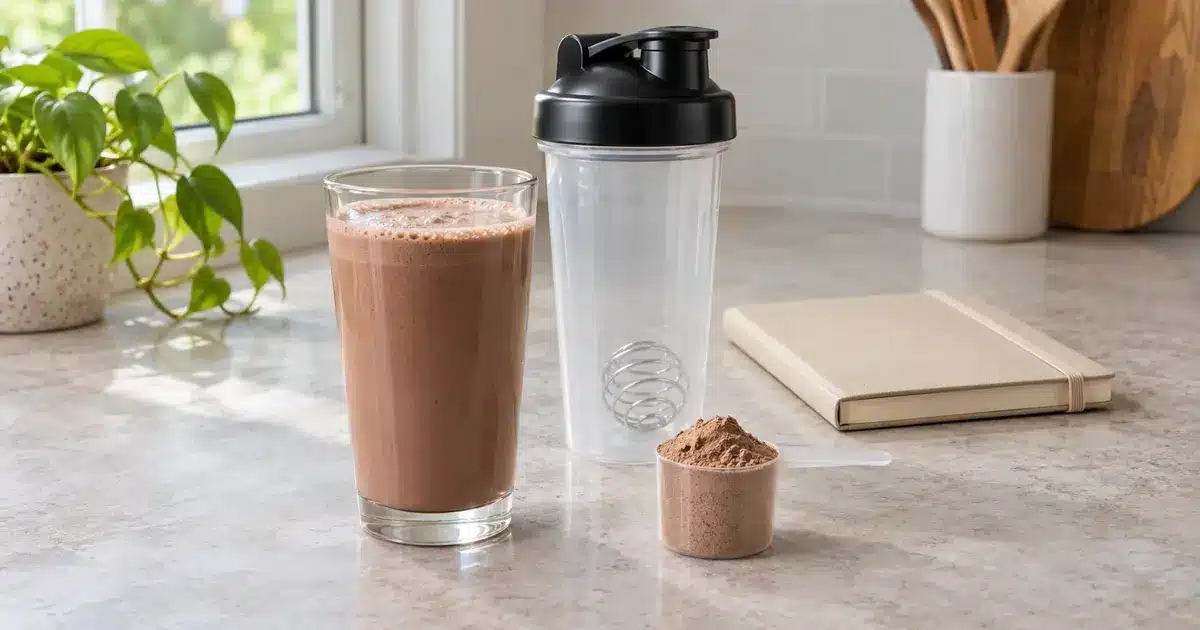
You want a protein powder you will actually use, but a larger scoop does not necessarily mean more protein. With BSN Syntha-6, the useful question is whether its formula, calories, and cost fit the gap in your meals.
This BSN Syntha-6 review focuses on the original protein blend. It is worth considering if you want a convenient dairy-based powder and are comfortable with its full nutrition profile. If your priority is the most protein for the fewest calories, compare the exact label with a whey isolate before buying.
Research disclosure: We have not personally tested Syntha-6 for taste, texture, mixability, digestive tolerance, or training results. This review does not assign a star rating or claim measured benefits from the product.
Quick Verdict: Who Should Consider Syntha-6?
Syntha-6 belongs on your shortlist when a convenient shake would help fill a recurring protein gap. The decision should come down to the selected formula, your dietary requirements, and the price per unit of protein you receive.
| Consider it if… | Compare another option if… |
|---|---|
| You want to investigate a protein blend rather than a whey-only powder. | You specifically want a whey isolate or a simpler ingredient list. |
| Its protein and calories fit your usual meals. | You need a higher proportion of protein relative to calories. |
| The exact ingredients meet your dietary requirements. | You avoid dairy, require a vegan product, or cannot confirm allergen suitability. |
| Its final cost compares well with alternatives you would use. | Another suitable powder or food offers better value for you. |
If you already meet your needs comfortably through meals, buying another powder may add expense without solving a problem. Our foods for muscle growth guide gives you food options to consider first.
What Is BSN Syntha-6?
Original Syntha-6 is positioned as a protein blend rather than a single-source whey isolate. Do not assume that products carrying additional names, such as isolate or differently formulated versions, have the same ingredients or nutrition.
Different protein sources can have different digestion characteristics. That does not establish that a particular blend produces more muscle growth than another suitable protein source. A blend should earn its place through practical criteria such as dietary fit, convenience, and value.
The number on the front of a tub is only a starting point. Read the complete nutrition panel and ingredients for the flavor and package you are considering.
BSN Syntha-6 Chocolate Milkshake: Verified Label
Label checked November 3, 2026: original U.S. SYNTHA-6, Chocolate Milkshake, 5 lb / 48-serving tub. These figures describe the powder alone. Other flavors, markets, and formula versions can differ.
| Label detail | Amount per serving |
|---|---|
| Serving size | 47 g (about 1 scoop) |
| Servings per container | 48 |
| Calories | 190 |
| Protein | 22 g |
| Total carbohydrate | 14 g |
| Dietary fiber | 6 g |
| Total sugars | 3 g, including 1 g added sugars |
| Total fat | 5 g |
| Saturated fat | 2 g |
| Sodium | 240 mg |
| Declared allergens | Milk and soy |
View BSN’s Chocolate Milkshake 48-serving label. The panel lists whey protein concentrate, calcium caseinate, hydrolyzed whey protein concentrate, whey protein isolate, micellar casein, and milk protein isolate. It also lists polydextrose, creamer, cocoa, flavorings, and the sweeteners acesulfame potassium and sucralose.
Check the panel, not just the marketing text: BSN’s general product description mentions egg albumin, but this specific panel does not list it. Its allergen statement declares milk and soy. This difference does not establish that every Syntha-6 version is egg-free; check the container you receive.
The label directs mixing about one scoop with 4–5 fl oz of cold water or another beverage. Count any added milk separately. The 190-calorie figure applies to this panel; older listings may display different nutrition.
As an Amazon Associate I earn from qualifying purchases.
View Chocolate Milkshake, 5 lb / 48 servings on Amazon
Confirm the selected flavor, size, seller, and package label before buying.
Compare Protein, Calories, and Scoop Size Together
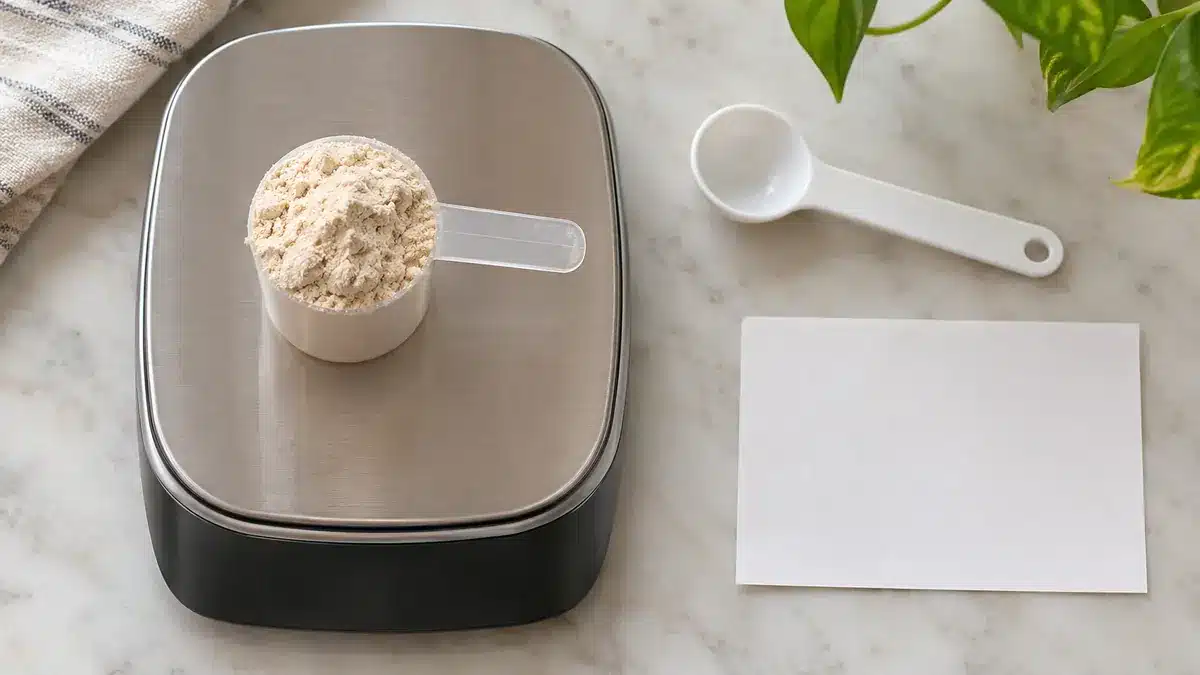
A scoop measures powder, not pure protein. Two products can have very different scoop weights, so comparing “one scoop” from each can be misleading.
Use these details from the exact containers:
| Label detail | Why it matters |
|---|---|
| Serving weight in grams | Shows how much powder supplies the listed nutrition. |
| Protein per serving | Lets you compare the amount you actually receive. |
| Calories per serving | Helps you fit the shake into your meals. |
| Carbohydrate and fat | Explains part of the difference between total calories and protein calories. |
| Servings per container | Connects package price to serving cost. |
| Ingredients and allergens | Helps establish whether the product is suitable for you. |
During fat loss, a more protein-dense powder may make it easier to fit a shake into your calorie budget. That does not mean Syntha-6 cannot fit; the complete day’s intake matters.
If you need additional calories, a shake may be useful. They are still calories to account for, and protein powder should not be treated as an automatic meal replacement.
Mixing with milk adds nutrition beyond the powder’s panel. Include the milk when comparing the finished drink with another option.
Ingredients, Allergens, and Digestive Tolerance
Check the protein sources, remaining ingredients, allergen statement, and any cross-contact information on the selected package. Do not rely on a review of a different flavor or an older label.
A dairy-based protein blend is not suitable for someone avoiding milk protein. Milk allergy and lactose intolerance are different conditions; changing to an isolate is not a workaround for a milk allergy.
Do not infer an exact lactose amount from the protein-source list. If lactose content affects your decision, ask the manufacturer about the specific version rather than assuming it will be tolerated.
Likewise, do not assume every flavor has identical egg, soy, wheat, or other allergen information. Check the complete label before purchasing.
If a product causes symptoms, stop using it and review the situation. Persistent digestive symptoms deserve appropriate advice. Suspected allergic reactions should not be managed by trying a smaller scoop; breathing difficulty or swelling requires urgent medical care.
Taste and Mixing: What We Can Honestly Say
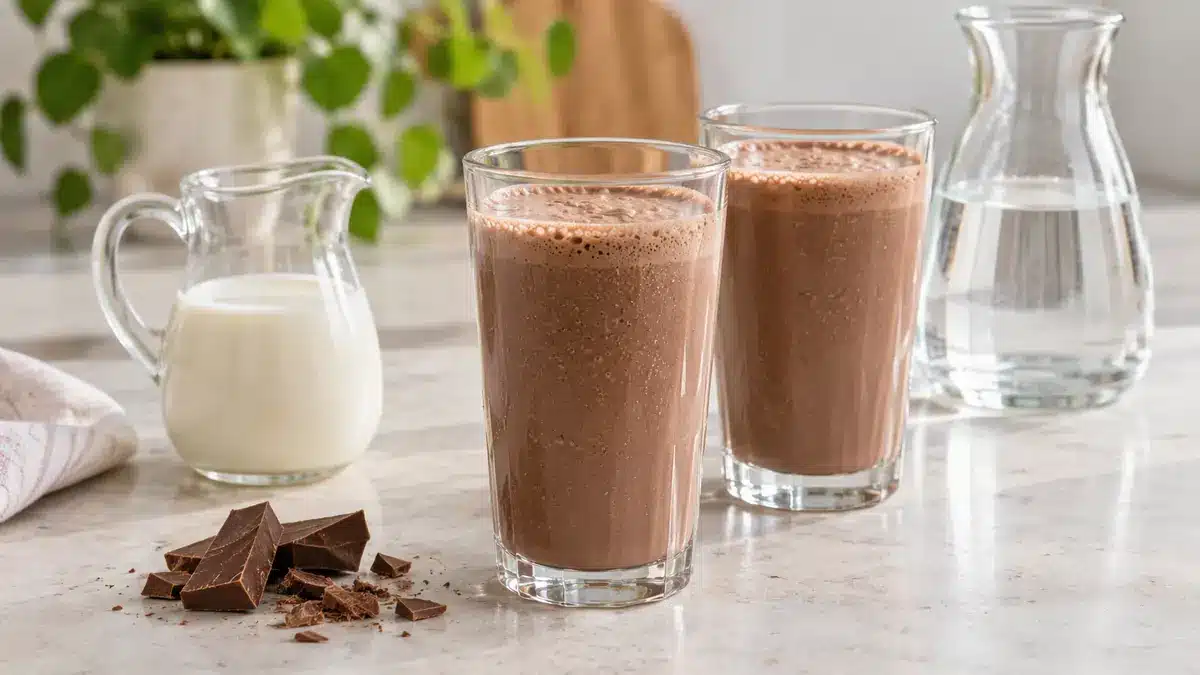
We cannot tell you that Syntha-6 tastes better, mixes more smoothly, or feels creamier based on personal experience. Flavor names and manufacturer descriptions are not substitutes for testing.
If enjoyment is your main reason in considering it, buy a smaller package or sample if one is available. Check return conditions before assuming you can return an opened tub because you dislike the flavor.
Follow the selected container’s mixing directions. Water and milk produce different finished drinks, and milk affects the calories, protein, and allergen content.
Is Syntha-6 Good Value?
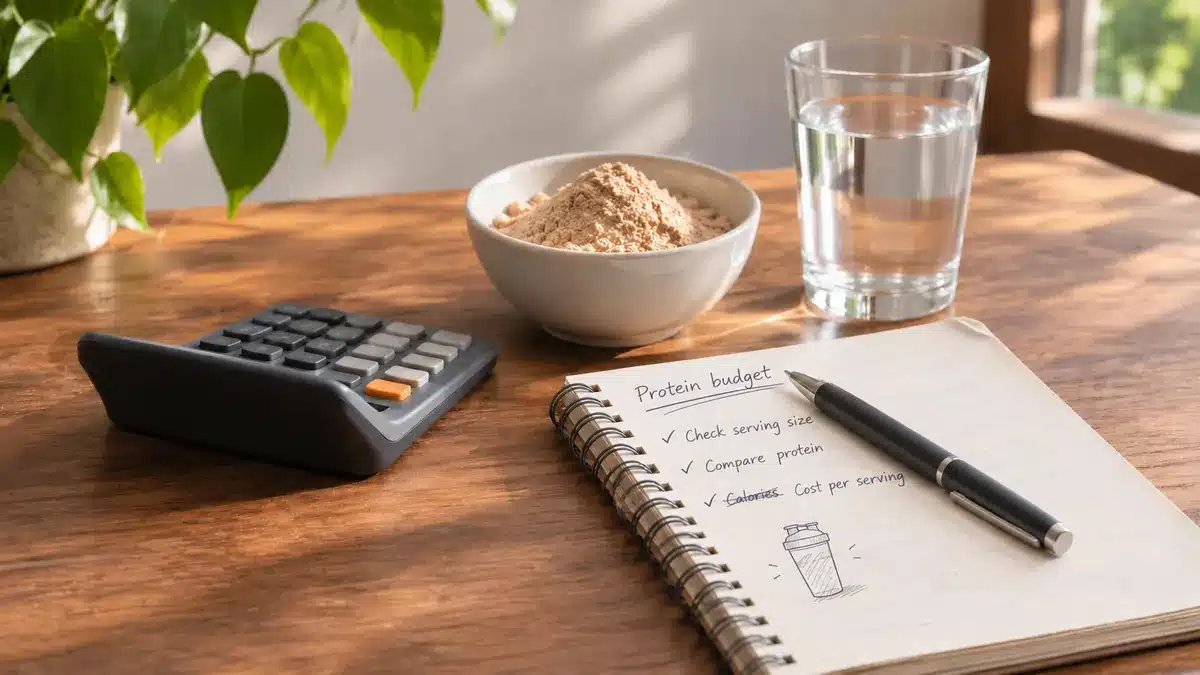
Compare the final delivered price for the exact package, including applicable delivery charges and tax. A discounted tub is not automatically the cheapest way to obtain protein.
Two calculations make the decision clearer:
- Cost per serving = package price ÷ labeled servings.
- Cost per 25 g of protein = cost per serving × 25 ÷ protein grams per serving.
For illustration only, a powder costing $1.50 per serving and supplying 22 g of protein costs approximately $1.70 per 25 g protein. Another costs $1.60 per serving and supplies 25 g of protein, costing $1.60 per 25 g. These are hypothetical examples, not current Syntha-6 prices or verified label figures.
Price is only one consideration. A lower-cost powder is poor value for you if its ingredients do not meet your requirements or you will not use it. Equally, a higher price does not establish better results.
Compare a realistic amount you would consume rather than buying the largest tub solely for a lower serving cost.
Syntha-6 vs Gold Standard Whey: What Should You Compare?
These products should be compared using matching, current labels rather than a broad claim that one brand is better.
| Your priority | Useful comparison |
|---|---|
| More protein relative to calories | Compare protein grams and calories in the labeled servings. |
| Lower cost | Calculate cost per 25 g of protein using the final package prices. |
| Dietary suitability | Review both ingredient lists and allergen statements. |
| A flavor you will use regularly | Consider a smaller purchase; we have not conducted a taste test. |
| Convenience | Compare package size, directions, availability, and how you will prepare it. |
Neither a familiar brand nor a longer blend description decides the winner. Choose the formula that fits your needs at a price you are comfortable paying.
Our muscle-building reviews guide links to existing protein reviews and explains how protein powders compare with other supplement categories.
How to Use It Without Making It Overcomplicated in Your Routine
Start by determining when your meals regularly fall short of your intended protein intake. A shake can be an option for that gap, rather than an automatic extra after every workout.
Follow the exact package directions and account for whatever you mix with it. Do not assume that two shakes are better than one, or that buying a powder requires using it every day.
A manageable training plan, suitable meals, and recovery remain central to your routine. A protein powder is a food component; it does not select exercises, track progress, or guarantee changes in muscle size.
Frequently Asked Questions
Is Syntha-6 a whey protein or a protein blend?
Original Syntha-6 is positioned as a protein blend rather than a whey-only isolate. Confirm the complete protein-source list on your selected container, and distinguish it from other products with similar names.
Is Syntha-6 suitable for weight loss?
It may fit if its calorie count and ingredients match your eating plan. Compare protein relative to calories with alternatives rather than assuming any protein shake causes weight loss.
Can I drink Syntha-6 every day?
Daily use is a dietary choice, not a requirement. Suitability depends on the exact ingredients, label directions, your health circumstances, and whether you need the additional protein and calories. Seek individual advice if you have a condition or dietary restriction affecting protein intake.
Does Syntha-6 contain lactose?
Dairy-derived ingredients can contribute lactose, but this review does not verify the amount in a particular version. Ask the manufacturer if you need specific lactose information. Lactose intolerance and milk allergy require different considerations.
Is it better to mix Syntha-6 with water or milk?
Follow the package directions and choose based on your preferences and nutrition needs. Milk adds calories, protein, and other nutrients; water does not. Include the chosen liquid when assessing the finished shake.
Is Syntha-6 better than Gold Standard Whey?
There is no universal winner. Compare current labels, cost per equivalent protein amount, allergens, and your preferences. We have not performed a head-to-head taste or performance test.
Final Verdict
Syntha-6 is worth considering if its exact formula solves a practical protein-related need at an acceptable price. Compare the protein, calories, ingredients, and serving cost before committing to a large container.
Choose another option if its dietary fit or protein density does not suit you. If your meals already meet your needs conveniently, skipping the purchase is a reasonable decision too.